













ULTIMATE TRAVEL GUIDE TO THE PEARL OF THE ORIENT
EXPLORE THE BEAUTY OF THE PHILIPPINES EXPLORE THE PHILIPPINESUnveil the Beauty of the Philippines
From Palawan’s beaches to Manila’s streets, the Philippines is full of beauty. You can see vibrant festivals, old churches, and green rice terraces.
It’s a place you must see.
Fascinating Facts About The Philippines
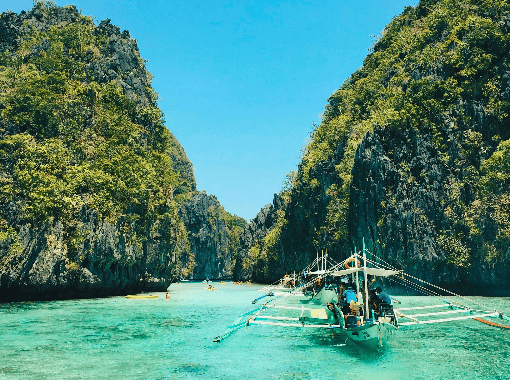
7,641 Islands
The Philippines is made up of 7,641 islands, each offering unique experiences and natural wonders.
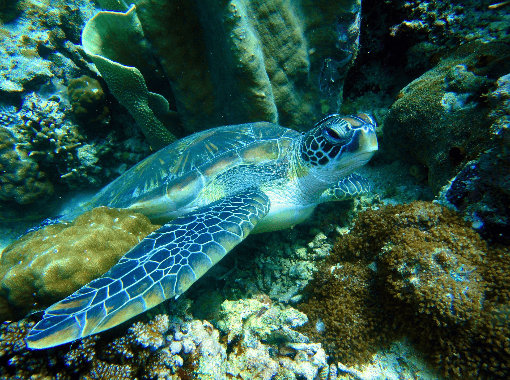
Rich Biodiversity
Home to over 52,000 species of flora and fauna, the Philippines is one of the world’s biodiversity hotspots.
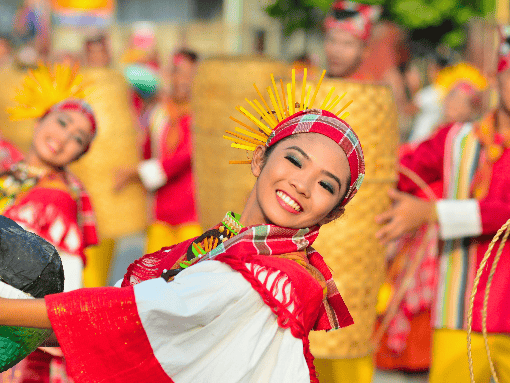
Cultural Melting Pot
With influences from Spanish, American, and indigenous cultures, the Philippines showcases a vibrant and multifaceted cultural legacy.
Tagalog and English serve as the official languages, with a tapestry of over 170 languages weaving throughout the archipelago.
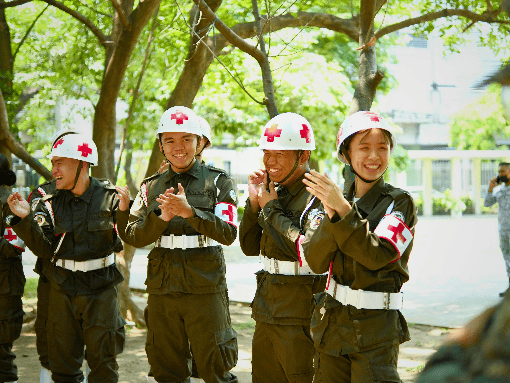
Warm Hospitality
Filipinos are known worldwide for their exceptional warmth and hospitality, creating a unique atmosphere of genuine kindness that leaves a lasting impression on travelers. Their genuine smiles and welcoming gestures make every encounter a memorable and heartwarming experience, adding a touch of sincerity and care to your journey.
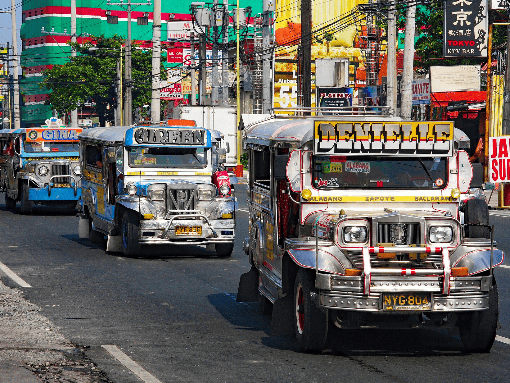
Jeepneys
Jeepneys, the vibrant and iconic public transportation vehicles, have their roots from repurposed U.S. military jeeps left behind after World War II.
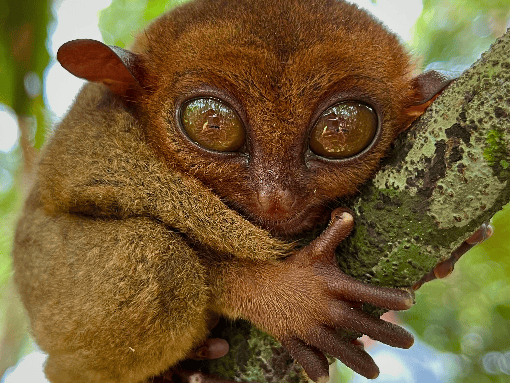
Species
The Philippines is home to the Tarsier, one of the world’s smallest primates, known for its large eyes and nocturnal habits.
Unveiling the Philippines
A Cultural and Natural Paradise
Experience the enchanting beauty of the Philippines, a captivating archipelago comprised of over 7,000 islands.
Take in the vibrant streets of Manila and relax on Palawan’s immaculate beaches.
Explore a mosaic of historical treasures, cultural treasures, and stunning landscapes that make this nation an ideal tourism destination.
More Facts About the Philippines
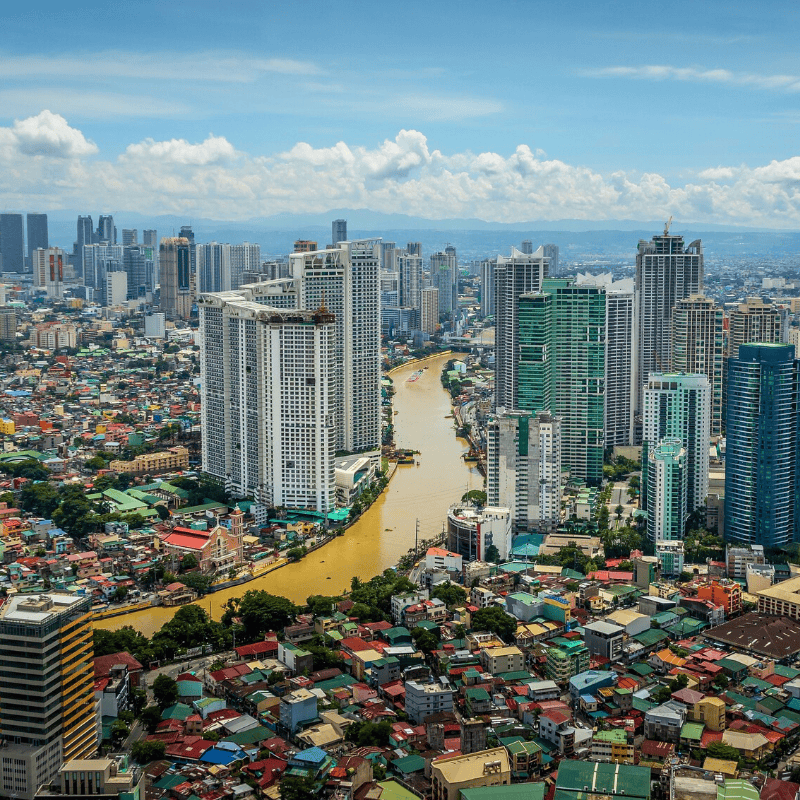
Get to know the essential details about this beautiful country.
- Capital: Manila 100%
- Official Language: Filipino & English 95%
- Currency: Philippine Peso (PHP) 90%
- Population: 109 Million 85%
- Notable Wildlife: Philippine Eagle, Tarsier 93%
Festivals in the Philippines
A Vibrant Celebration of Culture and Tradition
Sinulog Festival
Held annually in Cebu City every January, the Sinulog Festival is renowned as one of the biggest and most celebrated events in the Philippines. Paying tribute to the Santo Niño (Child Jesus), the festival features a vibrant parade where participants don elaborate costumes and dance to the lively tunes of drums, trumpets, and native gongs. The streets burst with vivid colors, lively street parties, and captivating cultural performances, attracting millions of visitors from all corners of the globe.
Ati-Atihan Festival
The Ati-Atihan Festival, also known as the “Mother of All Philippine Festivals,” takes place in Kalibo, Aklan, annually in January. This event honors the peaceful coexistence between Malay settlers and the indigenous Ati people through traditional dances, face painting with black soot, and wearing costumes made from indigenous materials. The festivities include a vibrant mix of religious processions and joyful street dancing.
Pahiyas Festival
Panagbenga Festival
MassKara Festival
Kadayawan Festival
Dinagyang Festival
Moriones Festival
Budgeting Tips for the Philippines
Accommodation in the Philippines ranges from budget-friendly hostels to luxurious resorts. For budget travelers, dormitory beds in hostels can cost as little as $10 per night, while mid-range hotels offer comfortable rooms for around $40-$60 per night. For a more lavish experience, expect to pay upwards of $150 per night at high-end resorts.
Budget-Friendly Eats
Food in the Philippines is both delicious and affordable. With dishes like pork sisig and chicken adobo costing only a few dollars, street food is an excellent opportunity to sample regional flavors without going over budget.
Dining at mid-range restaurants will cost around $10-$20 per meal, while fine dining establishments may charge $50 or more per person.
Street Food Delights
₱50
Local Cafes
₱150
Seafood Extravaganza
₱300

Travel Essentials & Cool Activities

Suggested Packing Tips
Must-Have Items
Pack light and smart for your beach getaway with essentials like lightweight clothing, sunscreen, insect repellent, and a reusable water bottle. Remember to bring along your swimsuit and snorkeling gear to fully enjoy the stunning beaches.

Cool Things to Do
Top Activities
Explore the breathtaking islands of Palawan, Cebu, and Boracay. Immerse yourself in the colorful coral reefs of Cebu and trek the picturesque trails of Banaue Rice Terraces. Each destination offers distinct landscapes, pristine waters, and lively marine ecosystems perfect for snorkeling and diving.
Get Your Guide Viator

Cultural Experiences
Festivals and Local Traditions
Immerse yourself in the vibrant culture of the Philippines at local festivals like Sinulog in Cebu or Ati-Atihan in Kalibo. These celebrations feature traditional dances, music, and delicious local cuisine, offering a truly authentic experience for visitors.
Do's and Don'ts When Traveling in the Philippines
Understanding the local customs and etiquette of the Philippines is essential for a respectful and enjoyable trip. Here are some key do’s and don’ts to remember during your visit.
Do Respect Local Customs
Filipinos are known for their warm hospitality and deep-rooted respect for customs. Start conversations with a friendly smile and use courteous language at all times. Remember to remove your shoes when visiting religious sites, as a sign of reverence. To show respect, refrain from wearing shorts, sleeveless tops, or revealing attire, opting instead to cover your shoulders and knees as a sign of cultural sensitivity.
Don't Litter
Maintaining cleanliness is important in the Philippines. Dispose of your trash properly and participate in local efforts to keep beaches and public spaces clean. Avoid using single-use plastics whenever possible.
Do Try Local Cuisine
Filipino cuisine is a delightful blend of flavors and traditions. Embrace the local dishes with an adventurous spirit, while being considerate of any food allergies or dietary needs. When sharing a meal at a local’s home, express gratitude for their warm hospitality. While tipping is appreciated in restaurants, it is not obligatory, and a 10% gratuity is considered generous.
Is It Safe To Drink Tap Water?
It is recommended to opt for bottled or filtered water over tap water to ensure safety. In numerous areas, tap water may pose health risks, making it best to avoid consuming it altogether.
Don't Be Disrespectful
Avoid making negative comments about the country or its people. Refrain from pointing with your fingers; use your whole hand instead. Be patient and understanding, especially in areas where English may not be widely spoken. Respect personal space and avoid public displays of affection.
What Are Some Respectful Gestures?
Always greet others with a warm smile and a respectful bow, using both hands when giving or receiving something to show honor. Addressing elders with ‘po’ and ‘opo’ is a sign of politeness and respect.
Do Use Public Transportation
Utilize public transportation as a cost-effective and efficient means of transportation. Get acquainted with the various routes and schedules of jeepneys, buses, and ferries. Remember to always have small change on hand for fare payments.
Be considerate and kind when utilizing public transportation. Remember to offer your seat to those who may need it, such as the elderly, pregnant individuals, and those with disabilities. Keep noise levels to a minimum and refrain from consuming food or beverages while onboard.
Don't Forget to Bargain
When shopping at markets or buying souvenirs, bargaining is common practice. Be polite and friendly while negotiating prices, and remember that a smile can go a long way in reaching a fair deal.
Explore the Beauty of the Philippines

Banaue, CAR, Philippines

Manila City, Philippines

Manila City Skyline

Pasig, NCR, Philippines

Rice Terraces

City of Dreams Hotel Manila, Philippines

Gitnang Kabisayaan, Philippines

Philippines-Coast

Boracay, Sunset, Philippines