























Have you ever wondered how a single bowl of noodles can change the way you travel? This guide invites curious visitors to relax and enjoy a gentle, inspiring culinary start. See why tasting local dishes feels like opening a quiet, delicious book about place and season.
Tokyo holds more Michelin three star restaurants than any city, and washoku earned UNESCO recognition in 2013, so quality is everywhere. Many small counters focus on one dish, which raises consistency and flavor, and casual spots often use ticket machines to simplify ordering.
Tip: slurping warm noodles cools them and boosts taste, while a wet towel and complimentary tea set a welcoming tone. From conveyor belt sushi to ramen shops, exploring this cuisine on your trip is simple and rewarding, and neighborhood restaurants can be as memorable as famous names.
Essential Takeaways
- Expect variety and a welcoming dining scene for beginners.
- UNESCO recognition and Tokyo’s Michelin scene confirm excellence.
- Many restaurants specialize in one dish, ensuring high quality.
- Ticket vending machines and visual menus simplify ordering.
- Embrace local customs like slurping and enjoy small neighborhood spots.
Welcome to Japanese cuisine, a warm first-timer’s guide
Step into a dining scene that prizes season, simplicity, and gentle flavors.
At the heart of this cuisine is seasonality and respect for each ingredient. Plates grow from what’s fresh that day, so flavors stay subtle and balanced. That philosophy helps newcomers understand why dishes feel light and focused.
Small gestures set a kind tone. Many spots bring cold water or green tea at no charge and hand you an oshibori, a hot or cool wet towel. These touches make guests feel cared for the moment they sit.
Most restaurants became smoke free after 2020, which makes lingering over ramen or sushi calm and pleasant. If you worry about language, visuals, plastic food models, and ticket machines simplify ordering at many shops.
- Look for pantry stars: soy-based seasonings, seaweed, bonito, and fermented notes.
- Start in casual places like conveyor-belt sushi or neighborhood noodle shops.
- Balance meals with vegetables, protein, and rice to mirror local harmony.
“Take your time, ask staff for recommendations, and taste a bit of everything.”
This approach turns a single meal on your trip into a gentle introduction to a wide world of flavors. Enjoy the exploration.
Flavor foundations that shape Japanese dishes
Behind each dish lies a trio of staples that guide balance, aroma, and umami.
Soy sauce, miso, and dashi, the essential flavor trio
Dashi is the subtle stock made from kombu kelp and katsuobushi (bonito flakes). It underpins miso soup, noodle broths, and many clear soups, giving a clean, savory backbone.
Miso brings depth and satisfying savoriness, whether in a light soup or a hearty glaze. It layers richness without masking fresh produce.
Soy sauce adds salinity and complexity. Chefs use it sparingly so the main ingredients still shine, and a light splash often finishes a dish.

Ponzu, sesame, and dipping sauce basics for noodles and tempura
Ponzu is a bright, citrus-based seasoning that lifts grilled meats and hot-pot dipping. It cuts richness and refreshes the palate.
Sesame appears as toasted seeds, oils, and pastes. These nutty notes warm dressings and noodle bowls, adding body and comfort.
Tempura often comes with tentsuyu, a dipping sauce of dashi, soy sauce, and mirin, designed to complement crisp batter without overpowering it.
- Small additions; grated daikon, scallions, or a touch of yuzu, change a sauce’s personality instantly.
- Taste a sauce on its own first; this reveals layers and improves how you pair dishes across the menu.
“Learn the sauces, and you unlock the map to every plate.”
Noodle soups to start your journey with comfort
Begin with a warm bowl that feels like a welcome on a chilly day.
Ramen is an easy, friendly entry point. Ichiran in Tokyo helps you find your ideal broth richness, garlic level, spice, and noodle firmness. Broth styles range from shoyu and miso to creamy tonkotsu. Toppings like chashu pork, soft egg, and scallions change texture and flavor in each spoonful.

Ramen styles, toppings, and where to try in Tokyo and Yokohama
Spend a day in Yokohama to sample regional bowls at Shin-Yokohama Ramen Museum. Pair that visit with the Cup Noodles Museum for a playful souvenir and a hands-on activity that captures the history of instant noodles.
Udon and soba: wheat versus buckwheat, hot or chilled
Udon’s wheat noodles are thick and springy. Try Taniya in Tokyo or Hoto Amano near Mount Fuji for hearty bowls made with clean local water.
Soba is made from buckwheat and tastes earthier. It works hot or chilled. In Kyoto, Arashiyama Yoshimura is a classic choice; Iwawo is a great option when lines run long.
Tsukemen and champon: slurp-worthy variations for adventurous eaters
Tsukemen serves noodles separately to dip into a concentrated broth. Kyo Tsuke-men Tsurukame in Kyoto is small and memorable.
Champon from Nagasaki combines boiled noodles, seafood, and vegetables in one rich pot. The noodles cook in the broth, which creates a hearty, layered texture.
“Taste widely and let one bowl teach you what you prefer in broth and texture.”
| Noodle Type | Main Ingredient | Texture | Recommended Spot |
|---|---|---|---|
| Ramen | Wheat noodles | Firm to soft, depends on shop | Ichiran (Tokyo), Shin-Yokohama Museum (Yokohama) |
| Udon | Wheat flour | Thick, springy | Taniya (Tokyo), Hoto Amano (near Mount Fuji) |
| Soba | Buckwheat | Earthy, light; hot or chilled | Arashiyama Yoshimura (Kyoto), Iwawo |
| Tsukemen | Wheat noodles | Chewy, served separately | Kyo Tsuke-men Tsurukame (Kyoto) |
| Champon | Mixed wheat blend | Soft, broth-cooked | Nagasaki specialty |
Seafood essentials beyond sushi
Seafood offers gentle, honest flavors that welcome cautious eaters into new tastes.
Try conveyor-belt sushi in Ginza at Nemuro Hanamaru to taste small plates without pressure. You can pick a single plate, sample different slices, and learn textures at your own pace.

Sushi and sashimi made approachable
Start slow: sushi pairs seasoned rice with toppings, while sashimi is simply slices of raw fish without rice. This difference helps you choose what feels comfortable.
After you feel ready, visit Katsumidori Seibu Shibuya or Kanazawa Maimon Sushi to explore seasonal cuts and learn how chefs handle each piece.
Kaisendon and simple grilled fish
Kaisendon is a rice bowl crowned with assorted sashimi. Tsujihan in Tokyo is praised for this; book ahead to secure a seat.
For pure flavor, order yakizakana, grilled fish seasoned with salt. Salt and smoke spotlight natural sweetness without a heavy sauce.
Unagi, a must-try specialty
Unagi is glazed and caramelized, with tender flesh that balances sweet and savory notes. Try Ajisai no Toyo in Kyoto or Unagiku in Nara for standout preparations.
- Pick conveyor-belt spots to sample safely and build confidence.
- Use soy sparingly with sushi so delicate cuts stay balanced.
- Be patient, gradual tasting turns tentative choices into trip highlights.
“Taste a little, learn slowly, and let each plate teach you what you enjoy.”
Light, crispy, and golden, Japan’s fried favorites
A quick fryer and a cold batter often turn simple ingredients into tiny delights.
Tempura aims for airy crispness rather than heaviness. The batter; made simply with flour and very cold water, must stay loose, and oil temperature is watched closely so seafood and vegetables stay delicate, not oily.

Tempura, batter, vegetables, and seafood done right
Tendon Itsuki in Tokyo is a reliable stop for a satisfying tempura set. Plates arrive light, each piece retaining snap and bright flavor.
Tempura is commonly served with tentsuyu dipping sauce and grated daikon. These companions refresh the palate, they don’t overpower the ingredient’s own taste.
Karaage fried chicken and Osaka’s kushikatsu skewers
Karaage is marinated, gently coated, and fried until juicy and golden. Find it at izakaya, street stalls, and even convenience stores as an easy snack.
In Osaka, kushikatsu presents skewers of meat, pork, and vegetables fried to order. Many counters share a communal dipping sauce; remember the no-double-dip rule and follow local rhythms.
“Pair crisp bites with pickles or shredded cabbage to reset the palate between rich rounds.”
- Expect regional twists in batter and sauce across Tokyo, Osaka, and Nagoya.
- Bring a light appetite, arrive early at popular counters, these small restaurants fill fast.
- Try small plates to sample multiple fried dishes without feeling heavy.
Land proteins for hearty meals
Sizzling skewers and crisp cutlets offer hearty comfort after a day of walking.
Yakiniku brings interactive grilling to your table. Order small plates and cook thin slices at your pace. Rokkasen in Tokyo is a popular choice for wagyu with all you can eat and drink options. It makes a lively night out before karaoke.
Yakiniku and yakitori, grilled beef, pork, and chicken at the table
Ginza Yakitori Take-chan is praised for expertly grilled chicken skewers. Also, grab chocolate gifts next door for a sweet finish.
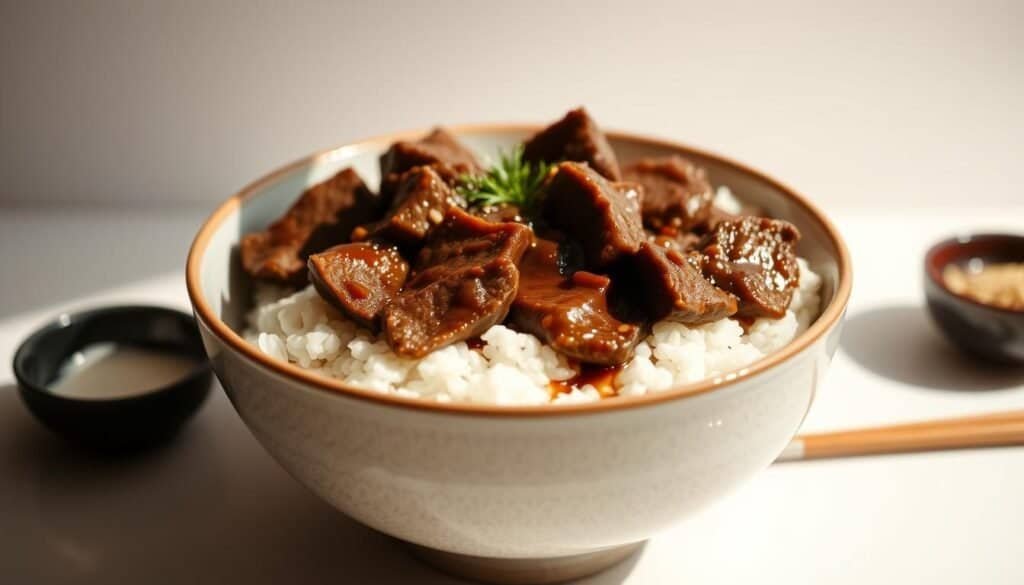
Gyukatsu and tonkatsu, crunchy cutlets with rice and miso soup
Gyukatsu Motomura serves crisp beef cutlets across several spots, though Harajuku often has long lines. Tonkatsu Aoki Ginza and Tonkatsu Hasegawa shine for pork cutlets. Shredded cabbage, rice, and miso soup usually come with the set, creating a balanced plate.
Gyudon beef bowl, fast, filling, and flavorful
Gyudon chains like Yoshinoya dish up sliced beef over rice in a quick, affordable bowl. These spots are perfect between sights or on a tight schedule.
- Try sauces sparingly; panko crust and juicy meat deliver texture and flavor.
- Check wait times and aim for early lunches at popular restaurants.
“Start with simple plates, and let each meal guide what you love next.”
Savory noodles and pancakes for crowd-pleasers
A warm, shared pancake or a plate of stir-fried noodles can turn an evening into a small celebration.
Okonomiyaki is a savory pancake built from wheat flour batter and shredded cabbage, then topped with whatever you love. Osaka mixes ingredients into the batter for a unified, fluffy result. In contrast, Hiroshima layers cabbage, egg, and often noodles to create a heartier stack.

Where to watch the griddle
For lively teppan action, try Ajinoya Honten or Okonomiyaki Mizuno in Osaka. These counters let you see each turn and learn how small tweaks change flavor.
Festival stir-fry that smells like celebration
Yakisoba is a soy and Worcestershire style stir fry with shredded vegetables and sliced pork or chicken. It sizzles on hot plates and draws crowds at matsuri. The tangy sweet sauce makes it an instant favorite.
Comfort in a bowl
Japanese curry rice is mild, creamy, and ideal for picky eaters. Served with fluffy rice and crisp pickles, it soothes and fills. Arashiyama Curry in Kyoto is a cozy stop after a walk along the river.
Start okonomiyaki with light toppings. Then add bonito flakes, mayonnaise, and okonomi sauce slowly until the flavor fits your taste.

| Dish | Main Base | Typical Toppings | Try At |
|---|---|---|---|
| Okonomiyaki (Osaka) | wheat batter | cabbage, pork, green onion | Ajinoya Honten, Okonomiyaki Mizuno |
| Okonomiyaki (Hiroshima) | layered batter | cabbage, egg, noodles | Hiroshima counters |
| Yakisoba | stir-fried noodle | shredded veggies, pork or chicken, sauce | Festival stalls, casual shops |
| Curry Rice | rice with curry | pickles, pork or chicken | Arashiyama Curry (Kyoto) |
“Share a pancake, try a bite of yakisoba, and let small choices make big memories.”
Soups, hot pots, and cozy bowls
Warm bowls and shared pots invite quiet conversation and easy meals after a day of walking.
Miso soup is a simple, soothing anchor. It blends dashi with fermented soybean paste and often includes tofu, wakame, and scallions. You will find it at breakfast and dinner to prepare the palate.

Oden is like a winter hug in a bowl. Eggs, daikon, fish cakes, and konjac simmer in a soy and dashi broth. Regional names and broths vary, so you may spot different ingredient sets across cities.
Mable pots and table cooking
Nabe covers many hot pots designed for sharing. Groups cook vegetables, meat, tofu, and noodles together at the table. These pots make gatherings relaxed and social.
Shabu shabu uses very thin meat slices swished in boiling broth. Dip each bite into ponzu or sesame sauce for bright or nutty notes. Chanko nabe comes from sumo stables and piles on protein and vegetables to refuel athletes.
Sweet-savory stews and finishing touches
Sukiyaki stews ingredients in a sweetened soy base and often invites diners to dip bites into a silky raw egg. It feels indulgent yet familiar, a great choice for sharing.
“Hot pots showcase vegetables and proteins in harmony, which embodies the balance at the heart of this cuisine.”
| Dish | Main Broth | Common Ingredients | Try When |
|---|---|---|---|
| Miso Soup | Dashi + miso | Tofu, wakame, scallions | Every meal starter |
| Oden | Soy + dashi | Daikon, eggs, fish cakes, konjac | Cold months, street stalls |
| Shabu Shabu | Light boiling broth | Thin meat, leafy greens, dipping sauce | Shared table cooking |
| Sukiyaki | Sweet soy | Beef, vegetables, raw egg dip | Comfort dinners, special nights |
Quick bites and convenience classics for busy days
Busy days call for portable snacks that still shine with local flavor.
Start with onigiri from a 7/11. The triangle wrapper keeps nori crisp and fillings range from salmon to tuna mayo. These rice packs are inexpensive and perfect for a park picnic or a quick stop between stations.
Edamame is a reliable, lightly salted snack that pairs well with a cold drink and gives a steady boost of energy. Gyoza deserve a moment too, their crackly bottoms and juicy centers work beautifully with a soy, vinegar, and chili oil sauce.
Small wins between sights
Ekiben turn a train ride into a tasting; vendors highlight regional specialties and seasonal ingredients. Pair a rice ball with a small salad or miso soup to make a light bowl-style meal on the go.
Quick reassurance: convenience rarely means low quality here. Snacks at stations and convenience stores are fresh and reliable, so you can eat with confidence while moving between museums or markets.
“Check local trash sorting at stations; tidiness matters and locals appreciate it.”
| Snack | Main Item | Best When |
|---|---|---|
| Onigiri | Rice with filling | Morning or transit snack |
| Edamame | Lightly salted soybeans | Between attractions |
| Gyoza | Pan-fried dumplings | Quick sit-down at casual restaurants |
| Ekiben | Regionally themed boxed meal | Long train rides |
Vegetables, tofu, and vegetarian-friendly options
Vegetable-forward plates show how simple ingredients can feel elegant and complete. Explore choices that welcome varied diets and still embody the gentle balance of japanese cuisine.

Try soba both ways. First, cold soba is refreshing; dip chilled soba noodles into a soy-based tsuyu to let buckwheat aroma shine. Moreover, hot soba warms you on cooler days; a light broth with scallions and mushrooms creates a soothing, plant-forward bowl.
Additionally, yuba (tofu skin) offers a delicate texture. It appears in soups, sashimi-style plates, and soft buns. Next, vegetable tempura keeps batter airy so produce stays moist and sweet.
Also, ask about broth bases. Many broths use bonito dashi, so vegetarian versions may be available at temple restaurants in Kyoto where seasonal vegetables receive notable care.
- Pair a vegetable plate with pickles and rice to make a balanced meal.
- Use sauce sparingly; subtle flavors deserve room to breathe.
“Choose small, thoughtful plates and let each taste guide your next choice.”
Regional specialties worth a detour
A few off-route meals can turn a regular itinerary into a true taste adventure.
Nagasaki’s champon boils noodles right in a seafood and vegetable broth, which gives the bowl a silky, layered texture. Plan a short side trip to taste this rich, in-pot noodle cooking and its jasmine-scented seafood notes.
Sendai’s gyutan began in 1948 as thin grilled beef tongue. It is often seared and brightened with salt or a squeeze of lemon, making it an easy-to-love local beef specialty at many yakiniku spots.
Kansai versus Hiroshima okonomiyaki shows how one dish changes by region. Osaka mixes the batter and fillings for a fluffy pancake. Hiroshima layers cabbage, egg, and often noodles to build a denser stack. Try both to compare textures and sauce balance.
- Next, visit Tokyo staples like Nemuro Hanamaru in Ginza for approachable sushi and Ichiran for highly customizable bowls.
- Also, head to Kyoto’s Arashiyama Yoshimura or Iwawo to taste soba that highlights buckwheat finesse.
Schedule meals before peak time to save standing in line. Taste local sauces as you move between cities; small differences reveal regional preference. Link each food stop with nearby landmarks so every detour adds flavor and context to your trip japan.
Popular Restaurants in Japan
Plan a tasting route that mixes iconic counters with neighborhood gems to make every meal a memory.
Tokyo picks, from Ichiran Ramen to conveyor-belt sushi in Ginza
Ichiran is ideal to customize your ramen and learn broth preferences. Then visit Nemuro Hanamaru in Ginza to sample conveyor-belt sushi at an easy pace.
Add Katsumidori Seibu Shibuya and Kanazawa Maimon Sushi to broaden sushi styles and identify favorite cuts of fish.
Kyoto, Nara, and Osaka: udon, unagi, and okonomiyaki
In Kyoto, try soba at Arashiyama Yoshimura or Iwawo, then savor unagi at Ajisai no Toyo and rest with Arashiyama Curry.
Ride to Nara for Unagiku near temple paths, or hop to Osaka for okonomiyaki at Ajinoya Honten and Okonomiyaki Mizuno.
- First, start at Ichiran, then Nemuro Hanamaru, and finish with a sweet stroll through Ginza.
- Moreover, slot in Rokkasen for grilled beef, and pair it with Ginza Yakitori Take-chan for late-night chicken skewers.
- Next, compare tempura at Tendon Itsuki, and try Tonkatsu Aoki Ginza or Tonkatsu Hasegawa for pork cutlets.
- Finally, reserve Kobe Steak Ishida if premium beef and teppan service are on your list.
“Build a simple plan, taste widely, and let each restaurant teach you what you love.”
Japanese Food for First Time Travelers
Ordering feels easy once you learn the small rituals that most counters follow. This short guide shows a calm way to order, sit, and enjoy meals with confidence.
How to order with confidence, vending machines, tickets, and counter seats
Many ramen shops use vending machines. First, press a button, pay, and hand the ticket to staff at the counter. This method saves time and removes language stress.
Moreover, choose counter seats when possible. Watching chefs plate sushi or assemble a bowl of soup helps you pick the next dish. Also, point to menu photos when words fail. Learning a few local phrases makes the experience friendlier.
Etiquette tips, slurping noodles and enjoying tea at the table
Next, know that slurping noodles is polite and practical. It cools hot strands and lifts aroma, so relax and enjoy the sound.
Also, use the wet towel for hands only, then tuck it aside. Complimentary tea or water often arrives automatically, so you do not need to order a drink unless you want one.
Furthermore, use soy sauce lightly with sushi and avoid mixing wasabi into the dish unless the chef suggests it. Arrive five to ten minutes before opening to shorten waits at popular restaurants.
“A simple ticket, a counter seat, and a curious heart make dining out easy and joyful.”
| Quick Tip | Do | Don’t |
|---|---|---|
| Ordering | Use vending machine or ticket | Wave staff down at busy times |
| Seating | Pick counter to watch chefs | Assume large tables are free |
| Table manners | Slurp noodles, use towel for hands | Mix wasabi into the soy sauce |
Plan your first food-focused trip to Japan
Booking smart and clustering meals makes a short trip japan feel calm and abundant.
Reserve high-demand seats a few weeks in advance. Kaiseki, top sushi counters, and Tsujihan often sell out. Book early to secure prime time seating and avoid rushed meals.
Build each day around neighborhoods that cluster restaurants. Ginza and Shibuya in Tokyo, Shin-Yokohama near the Ramen Museum, Dotonbori in Osaka, and Arashiyama in Kyoto place many stops within easy walking reach.
Take a food tour the first evening in a new city. Guides teach ordering, etiquette, and local specialties. This helps you try sushi, sample sauces, and spot small stalls safely.
Keep one flexible lunch slot. Some of the best dishes appear when you follow a scent or a line. Arrive a bit early at popular counters; many use sign up sheets or ticket numbers.
“Pack backups near reservations so a timing change still leads to a delicious plan B.”
| When to Book | Neighborhood | Why It Works |
|---|---|---|
| Weeks ahead | Ginza, Shin-Yokohama | Top sushi and kaiseki sell out |
| Day before or same morning | Dotonbori, Arashiyama | Street classics and soba near sights |
| First evening | Any city | Guided tours orient you to local dishes |
Conclusion
Every bowl, skewer, and plate tells a short story about season and craft. Let tasting across noodles, rice bowls, grilled favorites, and seafood reveal the heart of japanese food. Small rituals like a wet towel, a warm cup of tea, or a polite slurp open doors to flavor and welcome.
Good food appears at all budgets. From convenience stores and ekiben to Michelin counters, you can try sushi, ramen, tempura, and more without fear. Book a few seats, but leave room to follow a scent or a line.
Keep a small list of favorite dishes and share what you learn. Note the sauces, textures, and spots that surprised you. Then return with a new curiosity and the confidence to taste deeper.
Follow your nose, read the daily specials, and savor how each meal becomes part of the journey.
FAQ
What are the must-try dishes for a first visit?
Start with approachable classics: sushi or sashimi at a conveyor-belt spot, ramen in Tokyo or Yokohama, and a katsu or gyudon bowl for a filling meal. Try tempura for a light, crispy contrast and okonomiyaki in Osaka or Hiroshima for a savory pancake experience.
How do I order at restaurants with ticket vending machines?
Many casual shops use vending machines. Choose your dish from pictured buttons, insert cash or card, and take the ticket to the counter. Staff will call your number or bring dishes to your seat. It’s fast, practical, and common in ramen shops like Ichiran.
Is it hard to eat raw fish if I’m nervous about it?
No. Conveyor-belt sushi and kaiten-zushi let you pick familiar items like cooked shrimp, tamago (sweet omelet), or seared tuna. Start with grilled fish or kaisendon rice bowls if you prefer cooked options before trying sashimi.
How should I handle chopsticks and table manners?
Hold chopsticks steadily, avoid sticking them upright in rice, and don’t pass food directly chopstick-to-chopstick. Slurping noodles is polite and shows appreciation. Leave a small amount in shared dishes to show you’re satisfied, and accept tea graciously.
What are the key flavors to recognize in dishes?
Watch for soy sauce, miso, and dashi, the backbone of many broths and sauces. Ponzu and sesame add brightness and nuttiness for dipping, while mirin and sugar give a gentle sweetness to sauces and glazes.
Can vegetarians or vegans find good options?
Yes. Seek out soba, yuba (tofu skin) dishes, vegetable tempura, and tofu-based meals. Be mindful that dashi often contains bonito (fish) stock; ask for kombu (kelp) or vegetarian dashi at restaurants and in soups.
Which noodle types should I try and when?
Try ramen for rich, slurpable broths and regional styles; udon for thick, comforting wheat noodles; and soba for nutty buckwheat served hot or chilled. Tsukemen offers a dipping style for intense flavor, while champon is a hearty, seafood-forward choice in Nagasaki.
Are there food safety or allergy concerns I should know?
Japan maintains high food safety standards, but always inform staff about allergies. Learn key phrases for allergies or show them written notes in Japanese. Shellfish and soy are common allergens; double-check when ordering dishes like gyoza or tempura.
What’s the best way to explore regional specialties?
Plan visits to food-focused neighborhoods and cities: try unagi in Nagoya, gyutan (beef tongue) in Sendai, champon in Nagasaki, and okonomiyaki in Osaka. Food tours and local markets make tasting dozens of dishes efficient and inspiring.
How much should I budget per meal?
Casual meals like ramen or gyudon often cost –. Conveyor-belt sushi and midrange restaurants run – per person. Fine dining and special tasting experiences can be 0 and up. Convenience stores also offer tasty, budget-friendly options.
What are quick snack options between sights?
Look for onigiri rice balls, edamame, gyoza, and ekiben (train station bento boxes). Convenience stores such as 7-Eleven and Lawson carry fresh, affordable snacks and drinks ideal for travel days.
Any tips for trying grilled and fried dishes?
For grilled flavors, try yakitori or yakiniku where you can cook at the table. For fried favorites, order tempura or karaage. Pair them with rice and miso soup to balance textures and flavors without overwhelming your palate.
How do I order if I don’t speak Japanese?
Use simple English phrases, point to menu pictures, or show a translation on your phone. Many tourist areas have English menus. Learning a few words like “one” (hitotsu) and “thank you” helps; staff are usually helpful and welcoming.