






















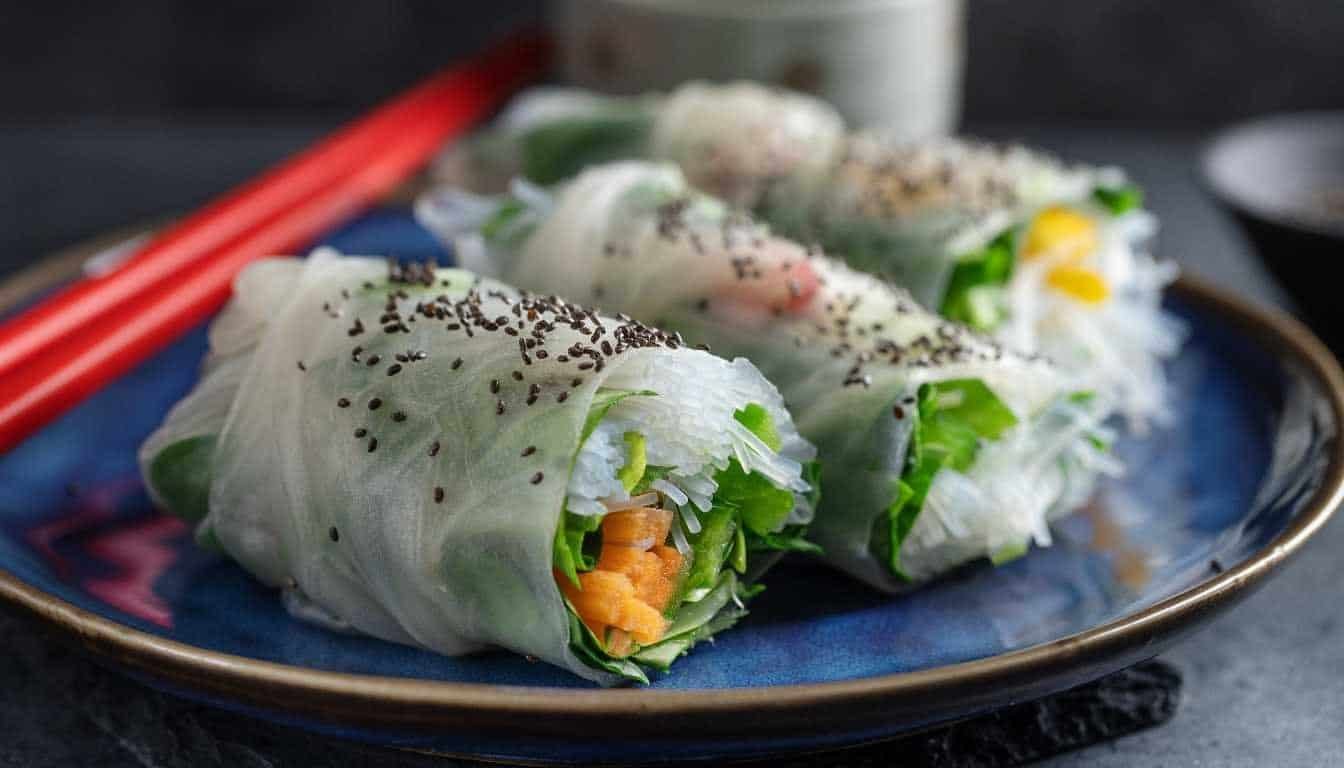
Have you ever wondered why one crisp bite can make a meal feel like a memory?
Imagine bright herbs, cool lettuce, tender noodles, and that first dip into a hoisin-peanut sauce that wakes every taste bud.
In this how-to recipe I’ll show you what to shop for, how to prep proteins and herbs, the few timing cues that tame rice paper, a safe rolling technique, and a simple dipping sauce that ties it all together.
Known as gỏi cuốn, these salad rolls are truly communal food, perfect for a U.S. home kitchen when you set up a friendly assembly line.
If rice paper feels intimidating, relax: a few seconds in water and an easy rhythm make a huge difference, and I’ll point out the cues.
We’ll keep the focus on the classic experience, while offering swaps for picky eaters and mixed diets, so everyone can join the fun.
Next, let’s explore why these flavors feel like Vietnam and how simple techniques recreate that sense at your table.
Why Vietnamese Spring Rolls Feel Like a Fresh Bite of Vietnam
Biting into a perfectly made roll wakes your palate with cool herbs and subtle textures. Gỏi cuốn literally means “salad rolls,” and that simple translation helps you order and cook with confidence.
Fresh vs. fried: good gỏi cuốn use room-temperature ingredients like cooked shrimp, soft rice noodles, and bright herbs. The wrapper is similar to fried versions, but the texture is cool and tender rather than crunchy.
Chả giò are the fried cousins. They shine when you want bold, hot texture. They are often served with lettuce, herbs, and nuoc chấm, a salty-sweet-tangy sauce made with fish sauce.
When to Serve Them
They work as an appetizer before pho, a light lunch, or a build-your-own dinner that turns eating into an event. I love serving them family-style.
- Why they feel fresh: cool greens, soft noodles, and fragrant herbs create contrast.
- Meal moments: appetizer, light main, or interactive party food.
- Next step: a short ingredients checklist keeps the process calm and intentional.
Essential Ingredients for Vietnamese Spring Rolls
Start your grocery run with a clear list so every ingredient contributes to clean, balanced bites. Below is a practical breakdown of what to buy and why each item matters.
Rice paper basics
Bánh tráng are simple: mostly rice and water. On U.S. shelves you’ll often see brands that add tapioca starch.
Why it matters: tapioca gives the sheet extra strength and reduces tearing, which helps beginners feel confident when working with thin rice paper.

Noodles that layer easily
Thin rice vermicelli is classic, but bánh hỏi is an excellent shortcut. Bánh hỏi is less sticky, easier to trim, and it layers neatly for tidy rolls.
Either choice keeps the center light; use small nests so the noodles don’t overwhelm the wrapper.
Greens, herbs, and vegetables
Start with soft leaf lettuce and fresh mint. Add cilantro or chives if you like them; they stay traditional and bright.
Keep greens washed and dry before assembling so the wrapper won’t get soggy.
Proteins and texture
Classic choices are shrimp and sliced pork belly. Medium shrimp (31/35) are ideal for wrapping and make a clean presentation.
For a lighter or vegetarian option, use firm tofu, pan-seared for bite and contrast. Each protein shifts the roll’s richness and rolling ease.
- Visual guide: use a thumb-sized nest of noodles, a single lettuce leaf folded, a few herb sprigs, and two to three pieces of protein for a clean slice.
- Finish: organize ingredients before you wet a wrapper—organization matters more than fancy technique.
Shopping and Prep Tips That Make Rolling So Much Easier
A calm prep area turns a messy evening into a friendly, fast assembly line. I set a small zone for each task so rolling feels calm, not chaotic.
How I set up the rolling station
I arrange items in this order to reduce stress: greens, noodles, proteins, wrappers, then sauce. This keeps my hands moving forward and avoids backtracking.
Smart shopping and washing
Buy some ingredients pre-prepped like cleaned noodles and packaged lettuce if you need speed. Fresh herbs and crisp lettuce are worth doing yourself for texture.
Wash and dry lettuce and herbs. Excess water makes the wrapper slippery and weakens the paper. I use a salad spinner to dry fast. The payoff is fewer torn pieces and brighter flavor.
Tools and timing to simplify the process
The few tools that help most are a shallow bowl of warm water, a cutting board, and a sharp knife. Use warm water in the bowl for quick dips so the paper becomes pliable in seconds.
Prep everything first. Then the rolling takes minutes. When proteins are cooked and cooled, slicing thin helps neat presentation and faster rolling.

Cooking the Traditional Proteins: Pork and Shrimp
Take a few focused steps on pork and shrimp to keep your filling neat and flavorful.
Boiling pork belly for clean flavor
Place the pork belly in a pot with enough water to cover. Add a halved onion, a pinch of salt, and a small amount of sugar to balance the fat.
Bring to a simmer, then cook about 25 to 30 minutes until juices run clear or the internal temperature reaches 145°F. Cover and let it rest to lock in moisture.
Slice thin against the grain so pieces lie flat in the wrapper. Thin slices prevent tearing and make neat bites.
Quick-cooking shrimp and simple deveining
Use medium shrimp (31/35); they sit flat and create an even presentation. Cook shrimp in boiling water for 1.5 to 2.5 minutes until opaque.
Immediately cool under cold water to stop the heat and keep shrimp springy. Rapid cooling keeps texture tender, not rubbery.
To devein, hold the shrimp up to a light source. Slide a toothpick along the back to lift out the vein and remove it. This is an easy, low-stress way to clean shrimp.

When both proteins are cooled, you make sure they are ready for soft rice paper. Properly cooled pork and shrimp help the wrapper stay intact during assembly.
How to Soften Rice Paper Without Tearing or Over-Soaking
A proper quick-dip technique turns fragile rice paper into a forgiving, flexible wrapper in seconds. Start with a shallow bowl of warm water so you control timing and avoid waste.
Quick dip wins every time
Because rice paper continues to hydrate after you lift it, dip just long enough to submerge—usually 1 to 2 seconds—then remove. As a result, the sheet will soften on the board rather than become soggy in the bowl.
How to know it’s ready
Perfectly ready feels pliable, slightly tacky, and flexible enough to fold without cracking. If the paper tears easily, you likely left it in the water too long. Over-soaking makes wrappers fragile and hard to handle.
One-at-a-time workflow and surface tip
Work one wrapper at a time, because multiple softened sheets will stick together and slow you down.
If sticking is a problem, place the sheet on a slightly damp towel or board so the paper stays workable. Then roll promptly to keep the texture intact.
“A fast, confident dip gives consistent results and makes every roll look restaurant-pretty.”
How to Roll Vietnamese Spring Rolls So They Look Beautiful and Hold Together
A confident hand and a simple rhythm make every wrap look intentional and tidy. Start assembling shortly after you dip the rice paper. Work one sheet at a time so the paper stays workable.
Layer for balance
Order matters: place a small nest of noodles first, then a folded leaf of lettuce, a few herbs, and finally protein like pork and shrimp for a clean slice.
Fold like a burrito
Fold the bottom edge up, tuck the filling in, then roll forward with steady, gentle pressure. Tight but gentle means the roll holds shape without squeezing juices out.
The shrimp show and portion control
For the classic look, place halved shrimp with the orange side out against the wrapper. Use smaller bundles of noodles and fewer herbs. Less filling prevents tearing.
Speed and troubleshooting
Repeat the same motion to build muscle memory and set finished rolls with space between them. If the paper sticks, wet your fingertips and smooth; if it tears, patch with a thin strip of rice paper. If the sheet feels too firm, give it one more quick dip.

“Make sure the sauce is ready—it’s the bridge that ties herbs, shrimp, and pork together.”
Dipping Sauce That Brings the Whole Plate Together
Good sauce acts like a glue for flavor, making herbs and crisp lettuce sing in unison. It is the third element that completes texture and taste. With a simple pan method you get a warm, smooth dipping sauce ready in minutes.
Classic hoisin-peanut approach:
Start the base
Sauté minced garlic in a neutral oil until fragrant. Then add hoisin, peanut butter, and water. Bring the mixture to a brief boil, stirring until smooth. The sauce will thin while hot and thicken as it cools, so avoid overcooking.
Adjust flavor on purpose
Taste and tweak: add a splash of water or a cup more to loosen the texture. Add sugar for more sweetness. Add a pinch of salt or a few drops of fish sauce for extra umami. Stir in sambal for heat. Finish with a sprinkle of ground peanuts for crunch.
Serving smart
I portion the sauce into small bowls at the table. This keeps it fresh and reduces double-dipping during parties. Small bowls also cool faster and help with food safety when the sauce sits out.

“A warm, balanced sauce ties bright herbs and cool lettuce into one delightful bite.”
| Step | What to do | Why it matters |
|---|---|---|
| Garlic in oil | Sauté 1 to 2 cloves in 1 tbsp neutral oil | Releases aroma and builds depth |
| Mix & heat | Add 3 tbsp hoisin, 2 tbsp peanut butter, 1/4 to 1/2 cup water; simmer briefly | Creates smooth, dippable texture; thickens as it cools |
| Adjust | Add sugar, fish sauce, or sambal to taste | Balance sweet, salty, tangy, and spicy preferences |
| Serve | Portion into small bowls; top with ground peanuts | Keeps sauce fresh and hygienic for guests |
Easy Variations: Make Spring Rolls Your Way Without Losing the “Vietnamese Spring” Vibe
A meatless version can be every bit as satisfying when you focus on texture and fragrant herbs.

Vegetarian and tofu-friendly idea: Use firm tofu, pan-seared until golden, then slice thinly. Layer a small nest of rice noodles, a leaf of lettuce, tofu, and a few herb sprigs for aroma and balance.
For extra crunch, add thin cucumber, shredded cabbage, and matchstick carrots. Keep vegetables dry and thin to avoid watery wrappers.
Herb combos that shine
Let mint lead and let cilantro support. That combination keeps flavors bright without muddling other ingredients. Use a light hand so herbs refresh instead of overpowering.
Bowl-style serving if rolling feels hard
If you prefer a bowl, slice finished spring rolls and toss with rice noodles and torn herbs. Pour the dipping sauce over like a dressing for an easy noodle bowl that keeps the same flavors.
“Keep the rice paper, the fresh herbs, and a balanced sauce — those three choices preserve the classic vibe.”
Finally, remember fresh is best. Serve soon after assembling, but you can prep ingredients ahead and roll close to serving time to keep texture and color.
| Variation | Main protein or base | Best add-ins |
|---|---|---|
| Vegetarian | Pan-seared tofu | Cucumber, cabbage, carrots, mint |
| Crunch-forward | Tofu or shrimp | Shredded cabbage, toasted peanuts, raw carrots |
| Bowl-style | Sliced rolls over noodles | Torn herbs, sauce as dressing, extra lettuce |
Make-Ahead, Storage, and How to Keep Rolls From Sticking
Timing is the secret that keeps rice paper tender and flavors bright. Plan to finish most assembly within a few hours. That time frame preserves fresh texture and the neat appearance you want for serving.
Prep ahead: slice pork, cook and cool shrimp, wash and dry herbs, and mix the dipping sauce. These steps save minutes at the table and let you roll quickly when guests arrive.
Short holding vs overnight
A few hours is ideal. Overnight storage is tricky because rice paper dries, tightens, and can become chewy or crack. If you must hold longer, expect slight texture loss.
Anti-sticking rules
Never press rolls together. Leave space between finished pieces. If you need a barrier, wrap each roll individually in plastic wrap for maximum protection.
Fast tray method and damp towels
For parties, try the tray weaving way: lay plastic wrap over and under each row so rolls do not touch. For short waits, cover a single layer with a slightly damp towel to keep paper pliable. Avoid excess water that makes wrappers gummy.
“Roll promptly after dipping; delayed assembly is the most common cause of sticking.”
With these steps you now have a clear system for prep, short storage, and confident transport so your spring rolls reach the table looking their best.
Conclusion
A fresh plate and a warm sauce turn simple ingredients into a shared celebration. Keep the big three in mind: smart prep, quick rice paper timing, and a balanced filling. These steps make the process easy and repeatable.
Start simple: use lettuce, a small nest of noodles, one protein like shrimp or pork, and a good dipping sauce. Practice brings speed and confidence.
Remember make-ahead limits and anti-sticking rules. Space finished pieces or wrap them to protect texture. Slice a few on the bias and serve extra sauce in small bowls so everyone builds their own plate.
Try one small improvement each time. With care and a steady rhythm, this recipe becomes a warm ritual that brings people together.