






















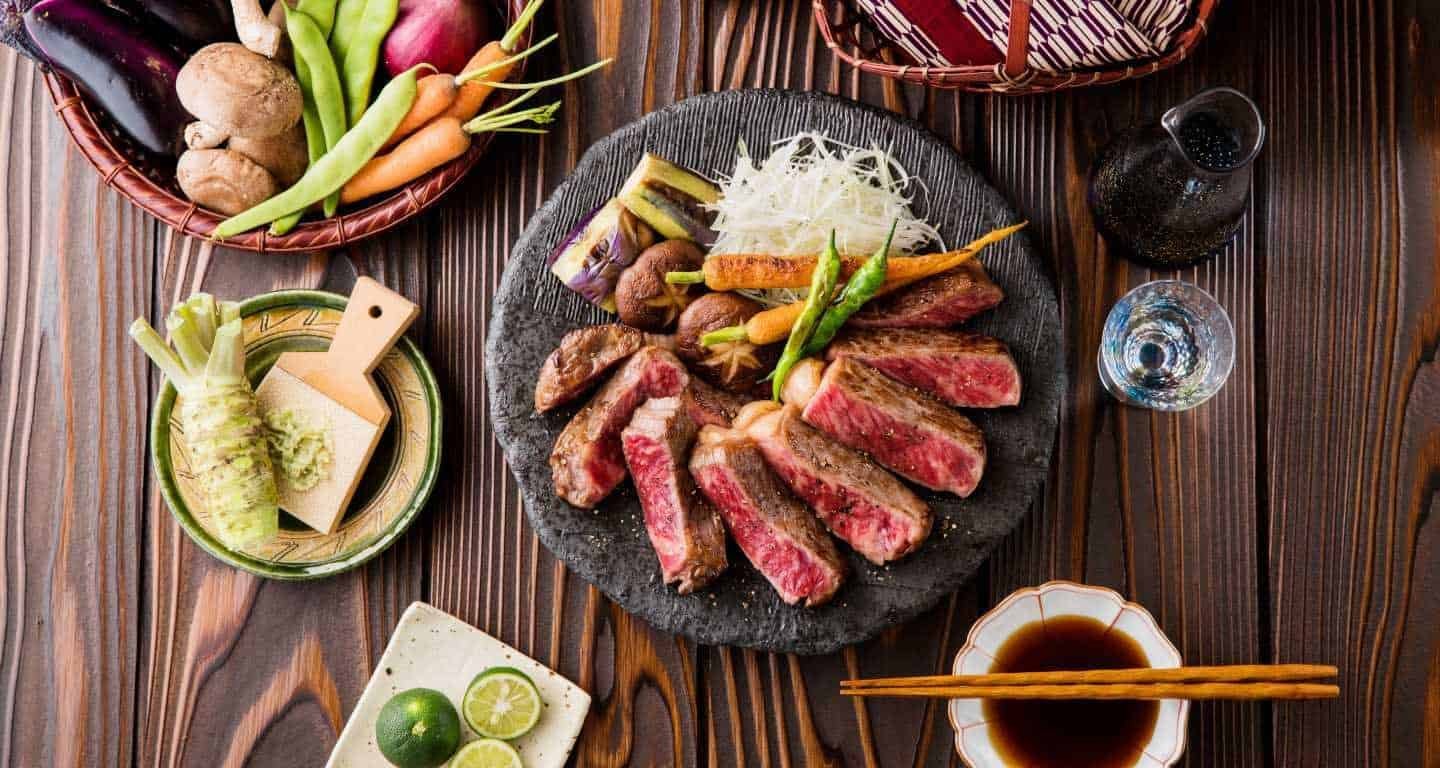
Ever wondered what makes a meal unforgettable? Is it the way it’s made, the ingredients’ freshness, or the story behind it?
Sushi, Wagyu, and Yakiniku are just a few dishes that stand out. They show the variety and depth of flavors in Japanese food. These dishes are loved for their focus on fresh ingredients and careful preparation.
Each dish, from sushi to Wagyu beef, tells a story of tradition and skill. Every bite is a celebration of Japanese culinary art.
Essential Takeaways
- Visit the art of sushi-making and its cultural significance.
- Explore the rich flavors and textures of Wagyu beef.
- Learn about the grilling techniques used in Yakiniku.
- Understand the importance of fresh ingredients in culinary delights.
- Experience the unique culinary culture that brings people together.
The Soul of Japanese Cuisine
Japanese cuisine is a mix of flavors, beauty, and cultural values. It’s a tradition that has grown over centuries. It focuses on taste, presentation, and the meal’s cultural meaning.
Cultural Significance of Food in Japan
Food in Japan is closely tied to its culture and history. Meals are a chance to connect with family and friends. Cooking is seen as an art form.
The use of seasonal ingredients shows respect for nature and the seasons. It ensures dishes are fresh and connects diners with nature.
Key Principles: Seasonality, Presentation, and Balance
Japanese cuisine follows key principles to make it more than just food. Seasonality means using ingredients at their best during certain times. This improves taste, supports local farmers, and reduces food transport’s environmental impact.
Presentation is also key, with dishes arranged to delight the eyes. This turns meals into experiences, engaging all senses.
Lastly, balance is essential. It means flavors, textures, and colors work together. This balance makes the dish complete and enjoyable.
Signature Dishes That Define Japanese Cuisine
At the heart of Japanese cuisine are iconic dishes that show its true identity. These dishes highlight the diversity and cultural values of Japanese food.
Sushi: The Art of Raw Fish and Rice
Sushi is a well-known Japanese dish, famous for its raw fish and vinegared rice. It’s a big part of Japanese culture, focusing on freshness and presentation.
“Sushi is not just a meal; it’s an experience that connects you with the soul of Japanese cuisine.” Making sushi is an art that needs skill and patience. Chefs spend years perfecting it.

Wagyu: Japan’s Premium Beef Experience
Wagyu beef is known for its marbling, tenderness, and rich flavor. It’s a luxury food experience. Wagyu cattle’s unique genetics and special care make it premium.
Grading System and Regional Varieties
The quality of Wagyu beef is graded by marbling, meat color, and firmness. Japan’s different regions have their own Wagyu, with unique flavors and qualities.
Best Ways to Enjoy Wagyu
Wagyu can be enjoyed in many ways, like sashimi, sushi, or grilled. Its rich flavor and tender texture make it versatile.
 As a culinary expert noted,
“Wagyu beef is a culinary delight that should be savored. Its rich flavor and tender texture make it a truly unique experience.”
Yakiniku: Japanese Grilled Meat Tradition
Yakiniku is a popular dining experience where guests grill their own meat. It’s interactive and encourages socializing, offering a variety of meats.
Shabu-Shabu: Interactive Hot Pot Dining
Shabu-shabu is a hot pot dish with thinly sliced meat and vegetables in savory broth. It’s a communal dining experience that’s both interactive and delicious.
Seasonal Specialties Worth Seeking Out
Japanese cuisine emphasizes seasonality, with dishes and ingredients changing with the seasons. Seasonal specialties offer a fresh and exciting culinary experience, showcasing the best of each season.
Regional Culinary Highlights Across Japan
Exploring Japan’s food scene shows the country’s rich diversity. Each city has its own unique flavors. Major cities are cultural and economic centers, also showcasing Japan’s varied food traditions.
Tokyo: The Global Gastronomic Capital
Tokyo mixes tradition with innovation in its food. It’s famous for its Michelin-starred restaurants. These places offer some of the world’s finest dining experiences.
Michelin-Starred Experiences
Tokyo has the most Michelin-starred restaurants worldwide. Places like Sukiyabashi Jiro and Narisawa are culinary art leaders. They offer a culinary experience that’s both new and rooted in tradition.
Hidden Local Favorites
But Tokyo also has casual, delicious spots. Neighborhoods like Shibuya and Shinjuku have hidden gems. You can find fresh sushi and hearty ramen here.
Kyoto: Traditional Cuisine with Imperial Roots
Kyoto is Japan’s cultural heart, known for its traditional food. The city’s food scene is influenced by its imperial past. Kaiseki is a key dish, focusing on local ingredients and simple presentation.
Osaka: Japan’s Kitchen and Street Food Paradise
Osaka is called Japan’s kitchen for its food culture. The city loves to eat out. Must-try dishes like takoyaki and okonomiyaki are everywhere.
Sapporo: Northern Specialties and Seafood
Sapporo, on Hokkaido’s northern island, is famous for fresh seafood. Crab and corn are local favorites. The Snow Festival brings visitors, with food stalls offering local treats.
Fukuoka: Ramen Heaven and Coastal Delights
Fukuoka is a food lover’s dream, known for tonkotsu ramen and coastal foods. The city’s food scene reflects its location on Kyushu, with a focus on fresh seafood and rich broths.
Kanagawa: Chinatown, Seafood, and Matcha
Kanagawa Prefecture is south of Tokyo. It has historic ports and modern cities. Yokohama, its capital, is a food lover’s dream.
Yokohama’s Chinatown is famous for its Chinese food. You can find many authentic dishes here. It’s a must-visit for food lovers.
Kamakura is known for its old temples. It also has matcha and sweets in historic teahouses. Plus, you can enjoy fresh Shonan seafood.
Unique Dining Experiences in Japanese Culture
Dining in Japan is more than just eating. It’s a deep dive into the culture, with traditions and settings that are unique. Japanese food is diverse, offering special experiences to everyone who tries it.

All-You-Can-Eat Culture: Tabehoudai Explained
“Tabehoudai” is Japan’s All-You-Can-Eat culture. It lets customers eat as much as they want for a set price. It’s not just about eating a lot, but also about trying different foods and enjoying the experience.
Key features of Tabehoudai include:
- A wide range of dishes to choose from
- A fixed price for unlimited servings
- A fun and relaxed dining atmosphere
Izakaya: The Japanese Pub Experience
Izakaya is Japan’s version of a gastropub. It’s where locals and visitors can enjoy food, drinks, and company. It’s a casual spot for a unique dining experience.
Some popular Izakaya experiences include:
- Sampling local craft beers and sake
- Enjoying small plates of Japanese cuisine
- Engaging in lively conversations with friends and strangers
Omakase: Leaving It to the Chef
Omakase is a dining experience where the chef chooses the dishes. It’s a trust-based experience that lets diners see the chef’s creativity and skill.
 Omakase is characterized by:
- A personalized dining experience
- High-quality, seasonal ingredients
- A focus on the art of Japanese cuisine
Food Halls and Department Store Basements
Japan’s department stores are known for their food halls and basements. They have a wide variety of high-quality food products and dishes. It’s a paradise for food lovers, with many options for take-out, dining, and shopping.
| Feature | Food Halls | Department Store Basements |
|---|---|---|
| Variety | Wide range of food options | Specialty foods and gourmet products |
| Quality | High-quality ingredients | Premium and artisanal products |
Eating in Japan: Tips for Travelers
Dining in Japan is more than just eating. It’s a deep exploration into the culture. Knowing the basics of Japanese dining will make your experience better and help you connect with locals.
Dining Etiquette Every Visitor Should Know
Japanese dining etiquette is full of tradition and can be tricky. One key rule is using chopsticks correctly. It’s important to learn how to hold and use them to avoid offending anyone.
- Never leave your chopsticks standing upright in your rice, as this is reminiscent of a funeral ritual.
- Passing food from one person to another using chopsticks is also considered impolite, as it is a custom associated with funerals.
- Try a little of everything on your plate to show appreciation for the meal.
Navigating Menus and Ordering
Finding your way through menus in Japan can be hard, especially if you don’t read Japanese. Many places now have English menus or plastic food displays outside to help.
Tips for ordering:
- Look for restaurants with English menus or consider visiting areas popular with tourists where staff may speak some English.
- If you’re unsure, pointing to a dish on another table or using a translation app can be helpful.
- Don’t be afraid to ask for recommendations; many chefs and servers are happy to suggest popular dishes.
Dietary Restrictions and Alternatives
Japan is getting better at catering to different diets, but it’s still smart to know some key phrases about your dietary needs.
For vegetarians and vegans:
- Some traditional Japanese dishes are naturally vegetarian or vegan, but be cautious of dashi (a broth often used in cooking) which typically contains fish or seafood.
- Learning to say “I’m vegetarian/vegan” in Japanese (Watashi wa bejitarian desu / Watashi wa began desu) can be very helpful.
Budget-Friendly Dining Options
Japan has many dining options for all budgets. For those on a tight budget, here are some tips:
- Convenience stores like 7-Eleven, Lawson, and FamilyMart offer a variety of ready-to-eat meals that are both affordable and delicious.
- Local izakayas or gastropubs often have a lively atmosphere and serve a range of small dishes at reasonable prices.
- Street food and markets can provide an authentic and budget-friendly dining experience.
“The best way to get to know a culture is through its food. Japan’s culinary scene is a reflection of its rich history, seasonality, and attention to detail.”
Conclusion: Embracing the Japanese Culinary Adventure
Exploring Japanese Cuisine is an experience filled with flavors, culture, and tradition. Each dish, from sushi to Wagyu, gives a unique experience. Japan’s regions, like Tokyo and Osaka, show the diversity of this culinary adventure.
Travelers and food lovers, embracing Japanese culinary culture is more than trying new foods. It’s about understanding the cultural meaning behind each meal. With experiences like izakaya and omakase, and tips for menus and dietary restrictions, you can explore deep into the Japanese culinary world.
Whether you’re a seasoned foodie or new to culinary adventures, Japanese Cuisine has something for everyone. It focuses on seasonality, presentation, and balance. So, start your journey to explore Japanese Cuisine’s flavors and traditions.
FAQ
What are the key principles of Japanese Cuisine?
Japanese Cuisine focuses on seasonality, presentation, and balance. These principles are key to the culinary experience.
What is the cultural significance of food in Japan?
Food in Japan is deeply rooted in culture. It reflects the country’s history, traditions, and values. Food is central to social gatherings and celebrations.
What is Wagyu, and how is it graded?
Wagyu is Japan’s premium beef. It’s known for its tenderness and rich flavor. Wagyu is graded by its marbling, with higher grades meaning more marbling and a luxurious texture.
What is Omakase, and what can I expect?
Omakase is a unique dining experience. The chef chooses dishes for you, using the freshest ingredients available.
How do I navigate menus and ordering in Japan?
Navigating menus in Japan can be tough. But, many restaurants have English menus or visual menus. Some staff may also speak English to help with ordering.
What are some budget-friendly dining options in Japan?
Japan has many affordable dining options. You can try food from convenience stores, street food, or affordable izakayas. These places offer tasty and affordable dishes.
What are some essential dining etiquette rules to know when eating in Japan?
Dining etiquette in Japan is important. Wait for the host to start eating. Don’t leave chopsticks standing upright in rice. Try a little of each dish to show appreciation.
How do I handle dietary restrictions when eating in Japan?
Handling dietary restrictions in Japan can be tough. But, many restaurants are accommodating. They offer vegetarian or gluten-free options. Learning key Japanese phrases can help communicate your dietary needs.