




















Ever wonder which provider gives the right mix of medical limits, evacuation help, and clear claim rules?
Our top pick for cruises: Seven Corners. Here’s why, and when the others make more sense.
Start with a simple plan: we compare four trusted names so you can match a policy to your needs. World Nomads, Seven Corners, SafetyWing, Visitors Coverage, and Travelex appear in that order for apples-to-apples checks.
Expect honest comparisons: cost examples, what each plan covers, and which travelers benefit most. For a sample 10-day Mexico trip, a basic plan averaged $127.18 for a 55-year-old from Florida, which shows how price links to age and trip details.
We will explain evacuation and medical limits, early purchase perks, and cancellation protections. By the end, you will see quick side-by-side notes that make choosing easier and less stressful.
Essential Takeaways
- Five providers are compared in order for clear decisions.
- Medical and evacuation limits matter most once you leave the U.S.
- Early purchase can unlock time-sensitive upgrades.
- Costs vary by age, trip length, and destination risk.
- We show which plan fits common traveler profiles.
Who has the best travel insurance: how to choose with confidence
Begin by matching your protection to where you will go and what you will spend.
First, consider medical realities at your destination. Hospital bills vary, so aim for at least $250,000 in medical coverage and roughly $500,000 for medical evacuation. Also buy early to unlock preexisting waivers and CFAR where available.
Next, tie your plan to trip cost. Protect nonrefundable bookings with cancellation and interruption limits that match prepaid expenses. Update coverage as you add tours, flights, or gear so limits stay accurate.
Start with must-have protections
- Emergency medical, evacuation, and hospital coverage.
- Trip cancellation, interruption, and delay with meaningful limits.
- Clear claims rules and 24/7 assistance lines.
Layer smart add-ons
Then add only what you will use. Consider rental car benefits, adventure activity coverage, and gear protection. Also check waiting periods for delay and baggage delay so you get timely help.
Finally, weigh personal health needs and risk tolerance. Higher deductibles cut premiums, yet adequate limits protect you when stakes are high. Choose a plan that feels practical and gives real support when it matters most.

Side-by-side at a glance: which traveler matches which provider
Compare features fast so you can pair your plans with a provider built for that style of travel.
World Nomads vs. Seven Corners vs. SafetyWing vs. Visitors Coverage vs. Travelex
Quick match: pick a carrier by activity level, trip length, and desired medical limits.
- World Nomads: ideal for active itineraries. Built-in activity coverage for 250+ pursuits and solid evacuation coverage on standard tiers.
- Seven Corners: best for travelers seeking customizable medical limits and group-friendly rates. Select when you need high-limit medical maximums (up to $5M) and the ability to tailor your deductible to your budget.
- SafetyWing: choose when long stays need flexible, rolling medical coverage rather than single-trip protection.
- Visitors Coverage: use as a marketplace to filter by medical and evacuation limits and to compare add-on choices quickly.
- Travelex: best for medical-first buyers who want upgrade paths that raise medical and evacuation limits and add hospital choice.
| Provider | Strength | When to pick | Notes |
|---|---|---|---|
| World Nomads | Adventure activity coverage | High-activity, multi-country trips | Automatic sport coverage; good medevac |
| Seven Corners | High-limit medical & group rates | Large groups (10+) or high-value international trips | Customizable medical up to $1M; choice of primary or secondary coverage |
| SafetyWing | Rolling travel medical | Long stays, nomads | Start/stop monthly pricing |
| Visitors Coverage | Comparison tools | Shoppers who want side-by-side quotes | Filter by coverage limits and add-ons |
| Travelex | Medical-first with upgrades | Families and international itineraries | Scale medical evacuation and hospital options |
“Match your traveler profile to the carrier strengths and buy only the coverage you need.”
1. Seven Corners: for medical-conscious travelers who want customizable high-limit coverage
Travelers who care about health can pick their own medical limits and deductibles. This makes any trip safer.
What it covers well: Seven Corners is great for its flexible medical limits. They offer up to $5,000,000 in emergency medical coverage. Their plans also have strong trip cancellation and interruption benefits.
They have special plans for groups of 10+ people. This makes it easy for groups to get covered together.
Where it fits: It’s perfect for families and groups. It’s also good for trips to places with high healthcare costs. Seven Corners lets you adjust your coverage based on your destination. Their 24/7 team helps with foreign hospitals. They speak many languages.
Additionally, they offer specialized cruise insurance plans that include specific protections for missed connections, cabin confinement, and shipboard medical emergencies.
Use this if you want a policy like a health plan. It’s great for expensive trips. You can adjust the deductible to fit your budget.
Tradeoffs to consider: The plans are customizable, but it takes more effort to buy. Make sure you know the difference between “Choice” and “Elite” tiers. The limits for dental or lost baggage change a lot.
“Choose Seven Corners when high medical maximums, group-friendly logistics, and customizable deductibles are your top priorities.”
-
Adjust your deductible to lower your premium if you have a healthy emergency fund.
-
Check the “Liaison” plans if you only need medical and don’t care about flight cancellation coverage.
-
Look into their dedicated cruise-friendly tiers to ensure coverage for itinerary changes and port-of-call disruptions.
-
Verify the specific COVID-19 coverage extensions, as they are often more robust than standard entry-level policies.
See more: Seven Corners Travel Insurance Review (2026)
2. World Nomads: for adventurous travelers who want built-in activity coverage
For active adventurers, a policy that lists dozens of covered pursuits removes one big worry before you go.
What it covers well: World Nomads includes 250 plus activities by default. That makes it excellent for hiking, skiing, windsurfing, or bungee jumping. The Standard plan offers strong emergency medical and medical evacuation protection with evacuation up to $400,000.
Where it fits: Many adventure sports like in-bounds skiing, SCUBA within limits, rock climbing under guidelines, white water paddling, and ziplining are included. Gear protection is $1,000 on Standard and $3,000 on Epic. Note that preexisting conditions are excluded unless a waiver applies.
Use this if you plan backpacking, multi-country routes, or high-adventure days. Single-trip plans stay flexible for one-off trips. Gear and sub-limits matter, so check how equipment value is treated.
Tradeoffs to consider: Entry-level trip cancellation and interruption benefits run modest. If prepaid cost or cancellation reasons are high, upgrade for broader limits, CFAR, or a pre-existing waiver.
“Choose World Nomads when activity coverage, solid evacuation strength, and mobility across borders matter most.”
- Compare Standard versus higher tiers when trip cost rises.
- Confirm waiting periods for delay coverage to avoid tight transfer risk.
3. SafetyWing: flexible travel medical coverage for nomads and long stays
If you plan long stays across borders, pick a plan that bends with your schedule and keeps medical protection current.
Who it benefits: Digital nomads, slow roamers, and frequent border hoppers who want ongoing medical care without annual contracts.
SafetyWing focuses on medical-first protection with rolling monthly pricing. That means you can start and stop coverage as your itinerary changes.
Core strengths
Rolling monthly coverage fits trips measured in months rather than weeks. Simple pricing helps budget-conscious U.S. travelers plan cost by month.
Global medical benefits support multi-country routes and remote work seasons. Emergency medical claims are the main offer, so many pair this with a separate trip cancel policy for prepaid losses.
Practical checklist
- Confirm coverage limits and any deductibles before you buy.
- Verify allowance for brief home-country visits under policy rules.
- Check waiting periods and exclusions, especially for pre-existing conditions and adventure activities.
- Keep receipts and medical records to speed reimbursements.
“Choose SafetyWing when ongoing flexibility, simplicity, and medical-first protection matter more than broad cancellation benefits.”
| Feature | Typical benefit | Who should consider |
|---|---|---|
| Pricing | Monthly rolling rates | Long-stay and frequent movers |
| Medical cover | Global Emergency medical support | Nomads needing continuous medical coverage |
| Cancellation | Limited; often buy separate | Those insuring large nonrefundable trip costs |
| Flexibility | Start/stop any month | Travelers with changing schedules |
4. Visitors Coverage: marketplace access and plan matching made simple
Visitors Coverage acts as a single place to compare multiple policies quickly. It shows side-by-side details so you can spot differences in limits, price, and exclusions without jumping between sites. That speeds shortlisting and reduces guesswork.
Why it helps
Clarity and speed matter when you shop. Use filters to narrow results by medical caps, evacuation coverage, and add-ons so you view only policies that meet your needs. You can scan waiting periods and exclusions without opening dozens of pages.
Standout advantages
Visitors Coverage lists plans from multiple insurance providers and insurance companies. That marketplace view reveals affordable options and premium upgrades like CFAR or rental vehicle protection.
“Comparing plans side by side helps travelers ask better questions and avoid surprises when filing a claim.”
How to use it
Start by entering traveler ages and total nonrefundable trip cost. Then sort by coverage options, delay waiting periods, and baggage benefits to match your itinerary.
- Filter by medical and evacuation limits to reduce surprise bills.
- Check pre-existing condition waiver rules during the purchase window.
- Finalize insured trip cost once bookings are set and update the policy if plans change.
“A transparent marketplace helps you balance cost and protection with confidence.”
5. Travelex: strong medical coverage with customizable upgrades
Travelex makes it simple to boost protection when medical limits matter most abroad.
Ideal for those seeking a medical-first safety net: Travelex protections include solid emergency medical limits at entry level and options to scale up. The Essential plan runs around $120 in sample pricing. Then, choose a Medical Coverage upgrade to add $50,000 in medical expense protection and $500,000 in medical evacuation coverage.
Best for families, cruisers, and customization seekers
Who it benefits: families and international itineraries that place Emergency medical care first. Also, higher tiers may offer a hospital of choice upgrade after stabilization.
- First, start with Essential for value, then layer the medical upgrade for extra safety margins on long or remote trips.
- Second, consider post-departure medical if you do not need cancellation protection or a flight-only plan for short getaways.
- Third, price rental car damage add-ons when driving abroad, and confirm coverage limits and deductibles before you buy.
“Choose Travelex when you want broad medical protection with clear knobs to turn as your plans and risk change.”
Coverage essentials U.S. travelers should prioritize
Focus on core protections that actually pay off when plans change or health needs arise.

Emergency medical and evacuation thresholds to aim for
Aim for at least $250,000 in emergency medical limits when you leave the U.S. This floor helps cover hospital stays and specialist care that can climb fast abroad.
For remote or developing regions, seek medical evacuation coverage near $500,000 or more. Air ambulance and repatriation costs often exceed typical policy caps.
Trip cancellation, interruption, and delay coverage that actually helps
Most claims involve cancellations, delays, interruptions, and medical expenses. Build a policy around these essentials before adding extras.
Look for short waiting periods on trip delay and baggage delay so you get faster help for meals, hotels, and essentials. Confirm how cancellation and interruption define covered reasons and what paperwork you must provide.
- Verify whether benefits are primary or secondary and check deductibles.
- Confirm 24/7 assistance with multilingual support for fast on-the-ground aid.
- Read exclusions for alcohol-related incidents, high-risk activities, and preexisting conditions and adjust coverage if needed.
- Keep policy copies and emergency contacts on your phone and in print for quick access during stress.
Trip type matters: adventure, cruise, long-haul, or quick getaway
Match your policy to how you will travel, since a mountain trek needs different cover than a cruise cabin.
Adventure trips need clear activity acceptance, strong evacuation limits, and gear protection. Confirm that adventure sports are listed and that evacuation logistics work in remote areas.
Cruise itineraries benefit from solid trip interruption and missed connection terms. Ports run on tight windows, so interruption coverage and delay benefits are vital.
Adventure and long-haul routes demand higher medical and evacuation strength plus broad delay and baggage cover for complex routing.
Quick getaways can use flight-only or post-departure plans when cancellation exposure is low.
Align cancellation coverage with nonrefundable costs and update limits as bookings change.
When you split time across countries, verify your plan names all destinations and transit days to avoid gaps.
Keep receipts, note documentation needs, and keep a simple claims checklist. Match plans and plan tiers to how you actually travel so you pay for protection you will use.
How much travel insurance costs and what affects the price
Knowing which factors push premiums up lets you tailor coverage and control costs.
Basic rule: most people pay about 5 to 6 percent of their insured trip cost. That percentage gives a quick budget guide and keeps expectations realistic.
Price depends on three big drivers: the amount you insure, traveler age, and chosen coverage levels. Insuring only nonrefundable expenses keeps premiums lower. Update your insured trip cost as you book extras.
Older travelers usually face higher costs because claims frequency rises with age. Also, richer coverage increases price. Higher medical and evacuation limits, broader cancellation, and activity add-ons all push premiums up.

Consider alternatives. Post-departure or medical-only plans cut costs when cancellation risk is small. Buy early to qualify for time-sensitive features without much extra cost.
- Average: 5 to 6 percent of insured trip cost.
- Insure nonrefundable amounts to control premiums.
- Age and coverage choices drive price changes.
- Compare similar limits and waiting periods across policies.

When to buy for maximum protection and eligibility
Buy coverage soon after you make your first trip deposit to lock in the widest protection window.
Purchase a policy right after your first payment. This secures the longest window for cancellation benefits and helps you qualify for time-sensitive add-ons.
Preexisting condition waivers often require purchase within a set number of days. Acting early can expand medical coverage for travelers who need it most.
Early purchase timing and time-sensitive benefits
Many companies require quick action for Cancel For Any Reason. If you want CFAR, buy within the plan’s stated window so that option remains available.

- Buy after your first trip payment to maximize trip cancellation windows.
- Lock waivers and CFAR by meeting the policy time limits.
- Update insured trip amounts as you add bookings to keep limits accurate.
- Store receipts and confirmations together to simplify future claims.
- Early purchase reduces last-minute stress and gives a practical safety net.
Final tip: Even months before departure, earlier is usually better for eligibility, clarity, and peace of mind. Start now and refine your plan as bookings change.
What to know about CFAR and interruption-for-any-reason options
CFAR typically reimburses a portion of trip cost, often 50% to 75%, and must be bought within a set window after your first deposit.
Interruption For Any Reason adds flexibility if you need to end a trip for reasons outside standard covered causes. Availability and rules vary by plan.
- Verify documentation requirements so claims process cleanly.
- Balance these essentials against budget and insure what you cannot afford to lose.
“Buy protections that match your risk, itinerary, and how much you would lose if plans change.”
Credit card coverage versus a standalone policy
Compare card perks and standalone plans before you decide which will protect your trip and budget.
Many credit cards include useful benefits. They can cover trip interruption, delayed luggage, and some emergency care. Limits are often low and covered reasons may be narrow.
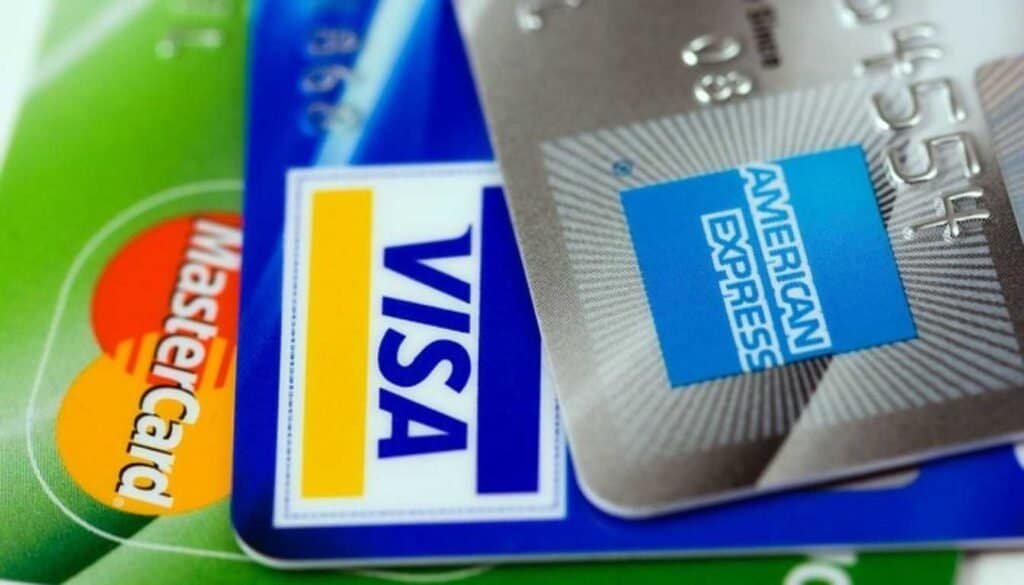
Standalone policies usually provide higher medical and evacuation limits and broader cancellation choices. They also add clear assistance lines that work 24/7 and tailored add-ons for rental car and rental car damage.
Because card benefits vary by provider, verify limits, exclusions, waiting periods, and required documents before you rely on them. If your health insurance offers limited out-of-country care, a dedicated policy can fill that gap.
| Feature | Typical Card Benefit | Standalone Policy |
|---|---|---|
| Medical limits | $10,000 to $50,000 | $250,000 and up |
| Evacuation | Often limited or absent | $500,000 or more |
| Rental car damage | Primary or secondary, varies | Optional add-on, tailored to route |
| Cancellation reasons | Specific covered events | Broader covered reasons and CFAR options |
Combining a card’s basics with a lighter policy can be cost effective. Just be sure overlaps are clear to avoid gaps when filing claims. Compare both paths side by side and choose what matches your risk, trip design, and costs.
Medical evacuation coverage, hospital of choice, and real-world value
Plan for long-range transport before a health emergency forces a rushed decision.
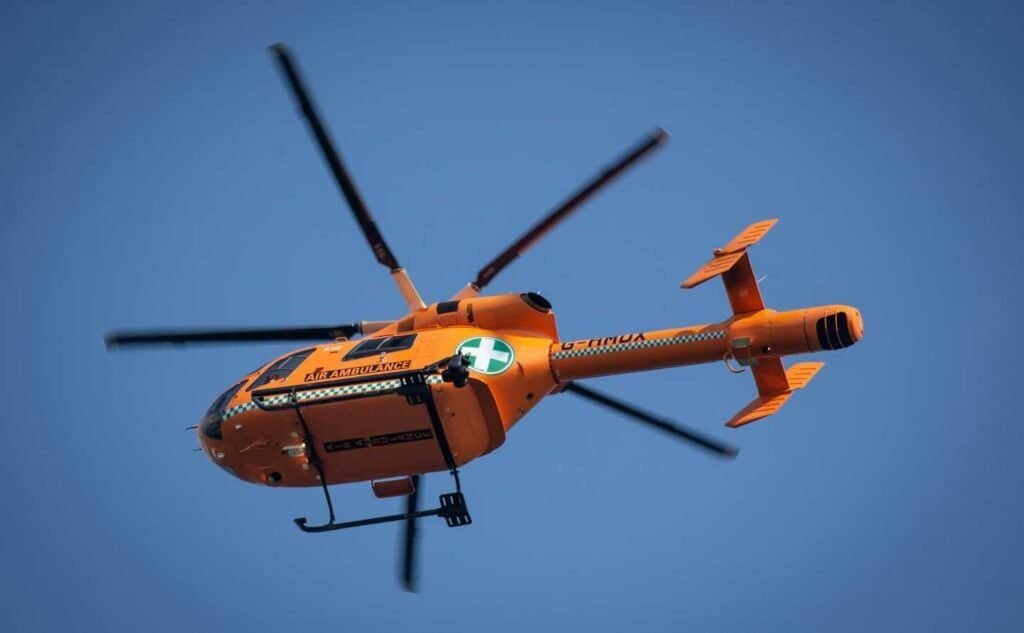
When distance or terrain makes local care insufficient, strong evacuation coverage pays for aircraft, medical crews, and ground transfers to a higher-level hospital.
Editors recommend evacuation benefits near $500,000 or higher for solid protection on an international trip. That level helps cover air ambulance flights and long-range transfers that can otherwise cost six figures.
Top-rated policies often include a hospital of choice provision. That lets you move to your preferred facility after initial stabilization. It brings better care options and peace of mind for families.
Why evacuation limits and destination care quality go hand in hand
Destination care varies widely. Align emergency medical and evacuation limits with local realities so a policy actually pays when you need it.
- Insurers handle coordination, aircraft, clearances, and hospital communication during high-pressure moments.
- Review exclusions for activities and intoxication, and check preauthorization rules to avoid surprises.
- Choose a policy pairing strong evacuation benefits with 24/7 assistance and clear procedures, because execution matters as much as limits.
“A good policy moves you to proper care fast, not later.”
Adventure sports and high-risk activities: read the fine print
If your itinerary includes high-risk sports, verify how each company names that activity.
First, check the activity list. Many plans include a broad set of adventure sports by name. Other tiers add more extreme pursuits. Naming matters because clear wording reduces the chance of denied claims after an incident.
Second, confirm whether your policy or an upgrade covers your planned activity. Higher-risk pursuits often sit in a different tier. If needed, buy an upgrade before you go so interruption or cancellation rules apply.
Next, follow safety rules. Insurers often require certified guides, helmets, depth limits, or staying inside piste boundaries. Meeting those standards helps a claim succeed and keeps you safer on the trip.
Also document everything. Keep receipts, rental agreements, and incident reports. Thorough documentation speeds claims and reduces back-and-forth with companies.
Finally, check gear limits and medical exclusions. Gear caps vary by tier and per-item limits can leave valuables underinsured. Likewise, preexisting condition waivers often require early purchase. Update your policy when plans change so coverage matches real activities and dates.
“Name your sport in writing and keep proof. It makes claims clearer and faster.”
How to compare plans without overwhelm
A calm checklist helps you compare policies without getting lost in details.
Set your minimums first. Choose emergency medical and evacuation thresholds that feel right for your trip. Shortlist only plans that meet those numbers before you shop price.
Right-size cancellation and interruption. Match those limits to your insured trip value. This keeps costs reasonable and protects prepayments that matter most to you.
Shortlist and verify exclusions
Compare waiting periods for delay and baggage delay. Short windows give faster cash for hotel and essentials during common disruptions.
Check coverage options you will actually use, such as activity acceptance, rental benefits, and gear caps. Skip extras that add cost without real value.
- Scan exclusions and note preauthorization or documentation rules.
- Read how companies describe their claims and assistance process for real responsiveness.
- Weigh overall cost against the shortlist, and decide if higher limits or better help justify a modest premium increase.
“Think through seven corners: planning, itinerary, health, budget, activities, documentation, and timing.”
Follow these steps and you will narrow choices down calmly. Then pick the policy that clearly supports each area and gives you practical peace of mind.
Best pick by traveler profile
Let your trip style guide which company and plan you pick.
Below are clear fits for common travelers. Each short profile ties to one of the four companies and highlights why that option works in practice.
Medical-first travelers
Seven Corners is built for those who prioritize high-limit health security. It lets you choose how much medical coverage you need and how much you want to pay upfront. This way, it fits your budget.
It’s great for families and groups. The coverage is like a top health plan. It gives you peace of mind in places with high healthcare costs.

Thrill seekers
World Nomads suits adventure trips. It lists many activities and offers meaningful medical evacuation coverage on its Standard plan.
Backpackers and climbers often prefer it because activity rules are explicit and evacuation limits are useful in remote zones.

Digital nomads and long-stay travelers
SafetyWing fits people who move often. Its rolling, medical-first structure keeps care continuous and billing simple month to month.
Choose it when you want ongoing coverage across borders without reapplying each time you change countries.

Comparison shoppers who want options
Visitors Coverage helps you compare plans side by side. Use its filters to match medical, trip interruption coverage, and rental car or rental car damage features to your itinerary.
It is best for travelers who want to think through the seven corners of risk before committing.

Health-focused travelers who value strong medical benefits
Travelex is ideal when medical coverage matters most. Its Medical Coverage upgrade lifts both medical and evacuation limits, and families or cruise guests often lean toward its clear add-ons.

For those prioritizing cancellation and robust medical protection, this plan offers practical upgrade paths that align with higher stakes trips.
“Choose the profile that matches your style, then use that fit to narrow companies and plans that protect your time, budget, and peace of mind.”
- World Nomads for adventure acceptance and strong evacuation on entry tiers.
- Seven Corners for high-limit medical customization, dedicated cruise protections, and primary coverage for large groups.
- SafetyWing for month-to-month simplicity during long stays.
- Visitors Coverage for side-by-side filtering across companies and plans.
- Travelex for elevated medical limits and sensible upgrades for families and cruisers.
Conclusion
Close your planning by locking in limits that matter most when things go wrong abroad.
Start with solid medical and medical evacuation protection and then shape remaining coverages around your real trip costs. Buy soon after your first deposit to qualify for time-sensitive upgrades and longer cancellation windows.
Match cancellation and interruption amounts to nonrefundable bookings. Compare plans side by side, verify exclusions, and confirm 24/7 assistance so execution during an emergency is fast and clear.
Let your profile guide company choice: World Nomads for adventure, Seven Corners for high-limit medical and cruise, SafetyWing for long stays, Visitors Coverage for side-by-side comparisons, and Travelex for deeper medical options. Keep receipts and policy copies handy to make claims simple.
Choose with confidence today and travel knowing your coverage is ready from takeoff to touchdown.
FAQ
I’m planning a high-end international trip and local medical costs are a huge concern. How does Seven Corners handle large medical claims differently than a standard “budget” plan?
Seven Corners is for travelers who see insurance as a serious health safety net. It’s not just a travel voucher. Many plans cap medical at $50,000, but Seven Corners lets you choose your medical maximum. You can even go up to $5,000,000.
They are experts in primary medical coverage for groups and cruisers. If you get sick on a ship or in a foreign city, they help. They can pay the hospital directly or act as your first line of defense.
They even offer special “Cruise” riders. These cover things like port-of-call diversions and shipboard medical emergencies. It’s a favorite for those who want a “private health plan” experience while away from home.
Who should consider evacuation coverage for an international trip?
Evacuation protection suits travelers headed to remote spots, adventure routes, or regions with limited hospital care. Aim for plans with high emergency medical evacuation limits and rapid transport options when visiting mountains, islands, or areas far from major medical centers.
How can I match coverage to destination, trip cost, and health needs?
Start by listing your trip total, medical history, and planned activities. Choose a policy that covers at least your trip cost for cancellation and interruption, plus strong emergency medical and evacuation. Add sport-specific riders for risky activities and verify rental car damage, baggage, and delay benefits.
What core protections should every policy include?
Must-haves are emergency medical, medical evacuation, trip cancellation, and trip interruption. Also look for baggage loss, travel delay benefits, and clear rental car damage terms. These give practical relief when plans derail or an emergency occurs abroad.
How do World Nomads, Seven Corners, SafetyWing, VisitorsCoverage, and Travelex differ?
World Nomads targets active travelers with adventure activity riders and strong evacuation. Seven Corners focuses on high-limit medical customization and primary coverage for large groups and cruisers.
What common mistakes should I avoid when buying a plan?
Don’t wait until the last minute if you need CFAR or pre-existing waivers. Avoid assuming credit-card benefits cover everything. Read exclusions on adventure sports and rental cars, and don’t underinsure evacuation limits for remote or high-risk destinations.
What medical and evacuation benchmarks should U.S. travelers target?
Seek at least $100,000 in emergency medical and $250,000 or more for medical evacuation when traveling internationally. Higher limits matter for remote destinations or expensive evacuation scenarios like air ambulance repatriation.
When is SafetyWing a smarter choice than a single-trip plan?
Pick SafetyWing if you travel frequently or live abroad for long stretches. Its monthly model reduces gaps between trips and prioritizes ongoing medical coverage. Single-trip plans may work better for short vacations that need cancellation or interruption protection.
What should active travelers check in World Nomads policies?
Verify the activities list, gear protection limits, and exclusions for high-risk sports. Confirm emergency evacuation coverage and whether pre-existing conditions are covered. For skiing, scuba, or mountain biking, ensure the exact activity is listed and not excluded.
How does VisitorsCoverage help customize medical evacuation and cancellation coverage?
VisitorsCoverage lets you compare carriers and plan features side-by-side, filter by evacuation limits, cancellation benefits, and sports coverage. Use the marketplace to find add-ons like higher evacuation caps or enhanced cancellation for expensive trips.
What makes Travelex appealing for families and cruisers?
Travelex often offers straightforward family pricing, tiered plans with clear medical limits, and cruise-specific protections. Post-departure purchase windows and add-on options help travelers tailor coverage for onboard incidents or preexisting condition waivers.
How much will a policy cost and what drives that price?
Costs depend on trip price, traveler age, length of stay, destination, and coverage levels. Higher medical and evacuation limits, adventure riders, and cancellation for any reason raise premiums. Younger travelers on short, inexpensive trips typically pay less.
How can I compare companies with confidence?
Start by listing nonrefundable trip costs, preferred medical limits, and activities. Then filter plans by payout limits, primary medical coverage, cancellation and interruption reasons, and rental car damage protection. Use marketplaces like VisitorsCoverage for side-by-side quotes and read policy wording for exclusions.
When is rental car damage coverage necessary?
Add rental car damage protection when your personal auto policy or credit card lacks primary rental coverage. This matters for international rentals and higher-deductible situations. Check if policies cover theft, collision, and roadside assistance.
When should I buy to secure full benefits?
Purchase as soon as you book nonrefundable arrangements. Early buy windows unlock full cancellation and certain time-sensitive benefits, like preexisting condition waivers and hurricane or supplier default protections.
Can credit card coverage replace a standalone policy?
Some cards offer primary or secondary trip and rental car protections, but limits often fall short for emergency medical or evacuation. Use card benefits for minor incidents and add a standalone policy for comprehensive medical, evacuation, and high trip-value protection.
Why do evacuation limits and destination care quality matter together?
Higher evacuation caps pay for costly air ambulances and transfers to quality hospitals when local care is inadequate. Low limits can leave travelers responsible for large bills if a patient needs repatriation or specialty treatment abroad.
How should I handle adventure sports and high-risk activities?
Read activity clauses and buy specific riders when needed. Some carriers exclude certain sports by default. Confirm gear coverage, choose higher evacuation limits, and document any certifications or guide-led status to support claims.
What process helps compare plans without feeling overwhelmed?
Set minimum thresholds for medical, evacuation, and cancellation coverage. Shortlist plans that meet those minimums, then compare exclusions and add-ons. Use marketplaces like VisitorsCoverage for side-by-side views and check real customer claims feedback.
Which policy types suit different traveler profiles?
Thrill seekers need adventure riders and high evacuation limits. Group-oriented travelers benefit from primary medical coverage and rates for big groups. They also have specialized riders for cruise mishaps like port diversions. Digital nomads benefit from rolling monthly medical models. Comparison shoppers should use marketplaces to find options and price-shop. Health-focused travelers prioritize high medical limits and hospital-of-choice clauses.